
Commercial Ventilation Equipment Manufacturer in Delhi for Professional Food-Service Projects
Unikue Kitchen develops commercial ventilation equipment solutions for professional kitchens where smoke, heat, vapour and cooking fumes need to be managed through a properly planned exhaust and ventilation arrangement.
- Superior Heat Distribution: Ensures even cooking and energy efficiency across all equipment.
- High-Grade Stainless Steel: Manufactured from premium food-grade materials for exceptional durability and hygiene.
- Precision Fabrication: Accurate dimensions for seamless integration into any kitchen layout.
- Enhanced Operational Efficiency: Reduces cooking time and improves staff productivity.
- Wide Product Range: Suitable for various kitchen sizes, from small cafes to large-scale industrial kitchens.
- Bulk Supply Capability: Timely delivery for hotels, restaurant chains, and institutional projects.
- Comprehensive Quality Testing: Ensures compliance with food safety standards and operational requirements.
A commercial ventilation equipment manufacturer requirement is normally evaluated from the point of view of kitchen capacity, menu, available floor area, expected workload and the sequence in which food moves through the kitchen.
Effective exhaust planning
Unikue Kitchen can organize the requirement around practical equipment categories so that the final kitchen plan remains easier to operate, clean and maintain.
The right commercial ventilation equipment manufacturer solution is not only about individual machines or counters; it also involves how cooking, preparation, storage, washing and service areas connect with one another.
Exhaust hoods can be considered according to the kitchen's menu, production volume and available working space. The specification should be finalized after checking utility requirements and the intended operating position.
Heat and vapour management
Fresh-air arrangements can be considered according to the kitchen's menu, production volume and available working space. The specification should be finalized after checking utility requirements and the intended operating position.
Kitchen exhaust systems can be considered according to the kitchen's menu, production volume and available working space. The specification should be finalized after checking utility requirements and the intended operating position.
Filter assemblies can be considered according to the kitchen's menu, production volume and available working space. The specification should be finalized after checking utility requirements and the intended operating position.
Ducting support can be considered according to the kitchen's menu, production volume and available working space. The specification should be finalized after checking utility requirements and the intended operating position.
Grease-control considerations
- Project Evaluation: Understanding kitchen layout, menu complexity, and operational requirements.
- Raw Material Inspection: Selection of high-grade stainless steel and food-safe components for superior performance.
- Precision Fabrication: Advanced cutting, welding, and forming for accurate equipment dimensions.
- Performance Testing: Verification of heat efficiency, temperature control, and safety mechanisms.
- Quality Assurance: Detailed inspection of welds, finishes, fittings, and electrical safety standards.
- Packaging & Logistics: Secure packing and prompt dispatch to project locations across India.
Grease-control solutions can be considered according to the kitchen's menu, production volume and available working space. The specification should be finalized after checking utility requirements and the intended operating position.
Premium Kitchen Equipment for Modern Commercial Kitchens
Make-up air planning can be considered according to the kitchen's menu, production volume and available working space. The specification should be finalized after checking utility requirements and the intended operating position.
Ventilation workstations can be considered according to the kitchen's menu, production volume and available working space. The specification should be finalized after checking utility requirements and the intended operating position.
Effective exhaust planning is important when planning a commercial ventilation equipment manufacturer project because the equipment has to remain practical during repeated daily use, cleaning and replenishment.
Heat and vapour management is important when planning a commercial ventilation equipment manufacturer project because the equipment has to remain practical during repeated daily use, cleaning and replenishment.
Grease-control considerations is important when planning a commercial ventilation equipment manufacturer project because the equipment has to remain practical during repeated daily use, cleaning and replenishment.
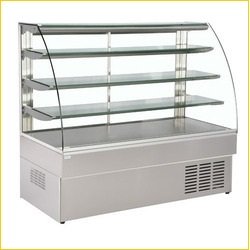
Advanced Manufacturing with Precision Engineering
Kitchen workflow compatibility is important when planning a commercial ventilation equipment manufacturer project because the equipment has to remain practical during repeated daily use, cleaning and replenishment.
Easy-access maintenance planning is important when planning a commercial ventilation equipment manufacturer project because the equipment has to remain practical during repeated daily use, cleaning and replenishment.
Equipment-zone based hood selection is important when planning a commercial ventilation equipment manufacturer project because the equipment has to remain practical during repeated daily use, cleaning and replenishment.
Ducting coordination is important when planning a commercial ventilation equipment manufacturer project because the equipment has to remain practical during repeated daily use, cleaning and replenishment.
Professional kitchen ventilation support is important when planning a commercial ventilation equipment manufacturer project because the equipment has to remain practical during repeated daily use, cleaning and replenishment.
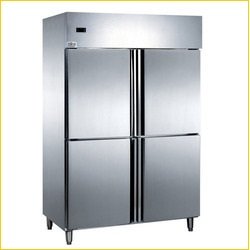
Large-Scale Production for Turnkey & Bulk Projects
For Delhi commercial kitchens, equipment selection should also account for access for installation, movement of staff, cleaning clearances and the practical route for bringing ingredients and finished food through the operation.
A well-planned commercial ventilation equipment manufacturer project keeps frequently used equipment close to the relevant work zone while avoiding unnecessary movement between preparation, cooking, storage and service areas.
Stainless-steel working surfaces are useful in professional kitchen environments because they provide a practical surface for repeated cleaning and routine food-service work.
Equipment dimensions should be checked against doorways, passages, counter heights and the available service area before fabrication or final placement.
Where a project has unusual dimensions, the equipment schedule can be organized around the actual kitchen drawing instead of relying only on standard footprints.

Trusted Industry Partner with Pan-India Supply Network
Maintenance access is another consideration: serviceable components, working clearances and cleaning access should be retained when the equipment position is finalized.
For new kitchens, the equipment list can be coordinated with the planned workflow. For renovation projects, the existing utility points and available structural space should be reviewed before replacement equipment is selected.
Commercial kitchens also benefit from grouping equipment by function. Cooking units can remain together, preparation equipment can form a dedicated zone, and storage or refrigeration can be positioned close to the work areas that use them most.
Unikue Kitchen's project approach can be used for hotels, restaurants, cafeterias, catering operations and institutional kitchens where the equipment schedule needs to follow the operational requirement.
The final selection should be based on actual application rather than choosing equipment only by appearance. Capacity, dimensions, material, utilities and cleaning requirements all affect practical suitability.

Premium Quality Commercial Kitchen Equipment for Professional Food Service
For larger projects, a coordinated equipment schedule makes it easier to review quantities, dimensions and locations before procurement and installation.
An organized equipment plan can also help reduce unnecessary movement, improve use of available counter space and keep the kitchen easier for staff to understand.
Before dispatch or installation, project teams should verify the latest approved dimensions and utility requirements so that the equipment reaches a prepared site.
Regular cleaning, correct operation and timely maintenance remain important for keeping commercial kitchen equipment in working condition over its service life.
The equipment schedule can be arranged around the expected daily production cycle. This is especially relevant when reviewing kitchen exhaust systems within a commercial ventilation equipment manufacturer project.

Precision Fabrication and Advanced Manufacturing Technology
The working height and reach of each unit should suit the staff who will operate it. This is especially relevant when reviewing ducting support within a commercial ventilation equipment manufacturer project.
Utility connections should be coordinated with the final equipment position. This is especially relevant when reviewing ducting support within a commercial ventilation equipment manufacturer project.
Cleaning access should remain practical around corners, joints and service areas. This is especially relevant when reviewing fresh-air arrangements within a commercial ventilation equipment manufacturer project.
High-use equipment benefits from a location that does not interrupt the main circulation path. This is especially relevant when reviewing make-up air planning within a commercial ventilation equipment manufacturer project.
Storage capacity should reflect the quantity of ingredients and utensils handled during a normal shift. This is especially relevant when reviewing ventilation workstations within a commercial ventilation equipment manufacturer project.

Bulk Supply Capacity for Hospitality and Institutional Projects
The layout should leave enough room for staff to load, unload and clean the equipment safely. This is especially relevant when reviewing grease-control solutions within a commercial ventilation equipment manufacturer project.
A clear equipment schedule helps project teams compare the planned requirement with the actual site. This is especially relevant when reviewing ducting support within a commercial ventilation equipment manufacturer project.
Where several units perform related tasks, their positions can be coordinated as one functional zone. This is especially relevant when reviewing grease-control solutions within a commercial ventilation equipment manufacturer project.
The selected configuration should be practical for the menu rather than unnecessarily oversized. This is especially relevant when reviewing exhaust hoods within a commercial ventilation equipment manufacturer project.
Replacement projects should consider compatibility with existing counters, utilities and access routes. This is especially relevant when reviewing ventilation workstations within a commercial ventilation equipment manufacturer project.
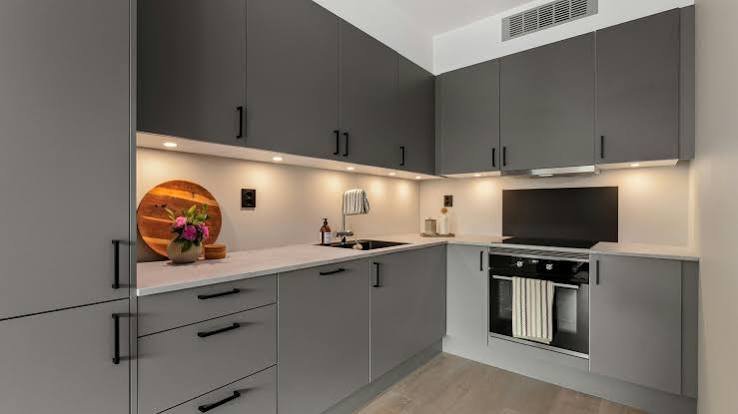
Reliable Service, Technical Support and Nationwide Delivery
For new projects, equipment placement can be finalized together with the kitchen workflow. This is especially relevant when reviewing kitchen exhaust systems within a commercial ventilation equipment manufacturer project.
The finish and construction details should support repeated commercial use and routine cleaning. This is especially relevant when reviewing exhaust hoods within a commercial ventilation equipment manufacturer project.
Project documentation should clearly identify each unit, its dimensions and its intended location. This is especially relevant when reviewing kitchen exhaust systems within a commercial ventilation equipment manufacturer project.
A coordinated kitchen layout helps prevent avoidable clashes between equipment, staff movement and service areas. This is especially relevant when reviewing fresh-air arrangements within a commercial ventilation equipment manufacturer project.
The equipment schedule can be arranged around the expected daily production cycle. This is especially relevant when reviewing filter assemblies within a commercial ventilation equipment manufacturer project.
How Unikue Kitchen Approaches Commercial Ventilation Equipment Manufacturer in Delhi
The working height and reach of each unit should suit the staff who will operate it. This is especially relevant when reviewing grease-control solutions within a commercial ventilation equipment manufacturer project.
Utility connections should be coordinated with the final equipment position. This is especially relevant when reviewing grease-control solutions within a commercial ventilation equipment manufacturer project.
Cleaning access should remain practical around corners, joints and service areas. This is especially relevant when reviewing kitchen exhaust systems within a commercial ventilation equipment manufacturer project.
How Unikue Kitchen Approaches Commercial Ventilation Equipment Manufacturer in Delhi
High-use equipment benefits from a location that does not interrupt the main circulation path. This is especially relevant when reviewing ventilation workstations within a commercial ventilation equipment manufacturer project.
Storage capacity should reflect the quantity of ingredients and utensils handled during a normal shift. This is especially relevant when reviewing exhaust hoods within a commercial ventilation equipment manufacturer project.
The layout should leave enough room for staff to load, unload and clean the equipment safely. This is especially relevant when reviewing make-up air planning within a commercial ventilation equipment manufacturer project.
A clear equipment schedule helps project teams compare the planned requirement with the actual site. This is especially relevant when reviewing grease-control solutions within a commercial ventilation equipment manufacturer project.
Where several units perform related tasks, their positions can be coordinated as one functional zone. This is especially relevant when reviewing make-up air planning within a commercial ventilation equipment manufacturer project.
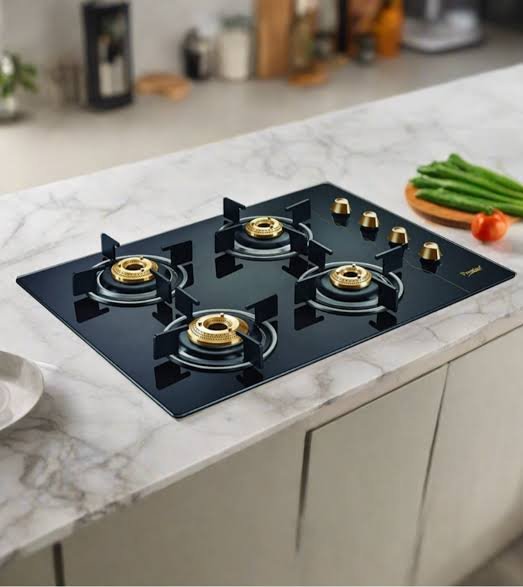
Commercial Ventilation Equipment Manufacturer in Delhi Solutions for Different Kitchen Applications
The selected configuration should be practical for the menu rather than unnecessarily oversized. This is especially relevant when reviewing fresh-air arrangements within a commercial ventilation equipment manufacturer project.
Replacement projects should consider compatibility with existing counters, utilities and access routes. This is especially relevant when reviewing exhaust hoods within a commercial ventilation equipment manufacturer project.
Ducting coordination
For new projects, equipment placement can be finalized together with the kitchen workflow. This is especially relevant when reviewing filter assemblies within a commercial ventilation equipment manufacturer project.
The finish and construction details should support repeated commercial use and routine cleaning. This is especially relevant when reviewing fresh-air arrangements within a commercial ventilation equipment manufacturer project.
Professional kitchen ventilation support
Project documentation should clearly identify each unit, its dimensions and its intended location. This is especially relevant when reviewing filter assemblies within a commercial ventilation equipment manufacturer project.
A coordinated kitchen layout helps prevent avoidable clashes between equipment, staff movement and service areas. This is especially relevant when reviewing kitchen exhaust systems within a commercial ventilation equipment manufacturer project.
Effective exhaust planning
The equipment schedule can be arranged around the expected daily production cycle. This is especially relevant when reviewing ducting support within a commercial ventilation equipment manufacturer project.
The working height and reach of each unit should suit the staff who will operate it. This is especially relevant when reviewing make-up air planning within a commercial ventilation equipment manufacturer project.
Heat and vapour management
Utility connections should be coordinated with the final equipment position. This is especially relevant when reviewing make-up air planning within a commercial ventilation equipment manufacturer project.
Cleaning access should remain practical around corners, joints and service areas. This is especially relevant when reviewing filter assemblies within a commercial ventilation equipment manufacturer project.
Grease-control considerations
High-use equipment benefits from a location that does not interrupt the main circulation path. This is especially relevant when reviewing exhaust hoods within a commercial ventilation equipment manufacturer project.
Storage capacity should reflect the quantity of ingredients and utensils handled during a normal shift. This is especially relevant when reviewing fresh-air arrangements within a commercial ventilation equipment manufacturer project.
Kitchen workflow compatibility
The layout should leave enough room for staff to load, unload and clean the equipment safely. This is especially relevant when reviewing ventilation workstations within a commercial ventilation equipment manufacturer project.
A clear equipment schedule helps project teams compare the planned requirement with the actual site. This is especially relevant when reviewing make-up air planning within a commercial ventilation equipment manufacturer project.
Easy-access maintenance planning
Where several units perform related tasks, their positions can be coordinated as one functional zone. This is especially relevant when reviewing ventilation workstations within a commercial ventilation equipment manufacturer project.
The selected configuration should be practical for the menu rather than unnecessarily oversized. This is especially relevant when reviewing kitchen exhaust systems within a commercial ventilation equipment manufacturer project.

Replacement projects should consider compatibility with existing counters, utilities and access routes. This is especially relevant when reviewing fresh-air arrangements within a commercial ventilation equipment manufacturer project.
Quality, Workflow and Project Coordination
For new projects, equipment placement can be finalized together with the kitchen workflow. This is especially relevant when reviewing ducting support within a commercial ventilation equipment manufacturer project.
The finish and construction details should support repeated commercial use and routine cleaning. This is especially relevant when reviewing kitchen exhaust systems within a commercial ventilation equipment manufacturer project.
Ducting coordination
Project documentation should clearly identify each unit, its dimensions and its intended location. This is especially relevant when reviewing ducting support within a commercial ventilation equipment manufacturer project.
A coordinated kitchen layout helps prevent avoidable clashes between equipment, staff movement and service areas. This is especially relevant when reviewing filter assemblies within a commercial ventilation equipment manufacturer project.
Professional kitchen ventilation support
The equipment schedule can be arranged around the expected daily production cycle. This is especially relevant when reviewing grease-control solutions within a commercial ventilation equipment manufacturer project.
The working height and reach of each unit should suit the staff who will operate it. This is especially relevant when reviewing ventilation workstations within a commercial ventilation equipment manufacturer project.
Effective exhaust planning
Utility connections should be coordinated with the final equipment position. This is especially relevant when reviewing ventilation workstations within a commercial ventilation equipment manufacturer project.
Cleaning access should remain practical around corners, joints and service areas. This is especially relevant when reviewing ducting support within a commercial ventilation equipment manufacturer project.
Heat and vapour management
High-use equipment benefits from a location that does not interrupt the main circulation path. This is especially relevant when reviewing fresh-air arrangements within a commercial ventilation equipment manufacturer project.
Storage capacity should reflect the quantity of ingredients and utensils handled during a normal shift. This is especially relevant when reviewing kitchen exhaust systems within a commercial ventilation equipment manufacturer project.
Grease-control considerations
The layout should leave enough room for staff to load, unload and clean the equipment safely. This is especially relevant when reviewing exhaust hoods within a commercial ventilation equipment manufacturer project.
A clear equipment schedule helps project teams compare the planned requirement with the actual site. This is especially relevant when reviewing ventilation workstations within a commercial ventilation equipment manufacturer project.
Kitchen workflow compatibility
Where several units perform related tasks, their positions can be coordinated as one functional zone. This is especially relevant when reviewing exhaust hoods within a commercial ventilation equipment manufacturer project.
The selected configuration should be practical for the menu rather than unnecessarily oversized. This is especially relevant when reviewing filter assemblies within a commercial ventilation equipment manufacturer project.
Replacement projects should consider compatibility with existing counters, utilities and access routes. This is especially relevant when reviewing kitchen exhaust systems within a commercial ventilation equipment manufacturer project.
From Requirement to Installation Readiness
Equipment-zone based hood selection
For new projects, equipment placement can be finalized together with the kitchen workflow. This is especially relevant when reviewing grease-control solutions within a commercial ventilation equipment manufacturer project.
Ducting coordination
The finish and construction details should support repeated commercial use and routine cleaning. This is especially relevant when reviewing filter assemblies within a commercial ventilation equipment manufacturer project.
Professional kitchen ventilation support
Project documentation should clearly identify each unit, its dimensions and its intended location. This is especially relevant when reviewing grease-control solutions within a commercial ventilation equipment manufacturer project.
Effective exhaust planning
A coordinated kitchen layout helps prevent avoidable clashes between equipment, staff movement and service areas. This is especially relevant when reviewing ducting support within a commercial ventilation equipment manufacturer project.
Heat and vapour management
The equipment schedule can be arranged around the expected daily production cycle. This is especially relevant when reviewing make-up air planning within a commercial ventilation equipment manufacturer project.
Grease-control considerations
The working height and reach of each unit should suit the staff who will operate it. This is especially relevant when reviewing exhaust hoods within a commercial ventilation equipment manufacturer project.
Kitchen workflow compatibility
Utility connections should be coordinated with the final equipment position. This is especially relevant when reviewing exhaust hoods within a commercial ventilation equipment manufacturer project.
Easy-access maintenance planning
Cleaning access should remain practical around corners, joints and service areas. This is especially relevant when reviewing grease-control solutions within a commercial ventilation equipment manufacturer project.

High-use equipment benefits from a location that does not interrupt the main circulation path. This is especially relevant when reviewing kitchen exhaust systems within a commercial ventilation equipment manufacturer project.
Commercial Ventilation Equipment Manufacturer in Delhi – Frequently Asked Questions
Storage capacity should reflect the quantity of ingredients and utensils handled during a normal shift. This is especially relevant when reviewing filter assemblies within a commercial ventilation equipment manufacturer project.
The layout should leave enough room for staff to load, unload and clean the equipment safely. This is especially relevant when reviewing fresh-air arrangements within a commercial ventilation equipment manufacturer project.
A clear equipment schedule helps project teams compare the planned requirement with the actual site. This is especially relevant when reviewing exhaust hoods within a commercial ventilation equipment manufacturer project.
Where several units perform related tasks, their positions can be coordinated as one functional zone. This is especially relevant when reviewing fresh-air arrangements within a commercial ventilation equipment manufacturer project.
Commercial Ventilation Equipment Manufacturer in Delhi – Frequently Asked Questions
The selected configuration should be practical for the menu rather than unnecessarily oversized. This is especially relevant when reviewing ducting support within a commercial ventilation equipment manufacturer project.
Replacement projects should consider compatibility with existing counters, utilities and access routes. This is especially relevant when reviewing filter assemblies within a commercial ventilation equipment manufacturer project.
For new projects, equipment placement can be finalized together with the kitchen workflow. This is especially relevant when reviewing make-up air planning within a commercial ventilation equipment manufacturer project.
The finish and construction details should support repeated commercial use and routine cleaning. This is especially relevant when reviewing ducting support within a commercial ventilation equipment manufacturer project.
Commercial Ventilation Equipment Manufacturer in Delhi – Frequently Asked Questions
Project documentation should clearly identify each unit, its dimensions and its intended location. This is especially relevant when reviewing make-up air planning within a commercial ventilation equipment manufacturer project.
A coordinated kitchen layout helps prevent avoidable clashes between equipment, staff movement and service areas. This is especially relevant when reviewing grease-control solutions within a commercial ventilation equipment manufacturer project.
The equipment schedule can be arranged around the expected daily production cycle. This is especially relevant when reviewing ventilation workstations within a commercial ventilation equipment manufacturer project.
The working height and reach of each unit should suit the staff who will operate it. This is especially relevant when reviewing fresh-air arrangements within a commercial ventilation equipment manufacturer project.
Utility connections should be coordinated with the final equipment position. This is especially relevant when reviewing fresh-air arrangements within a commercial ventilation equipment manufacturer project.

Commercial Ventilation Equipment Manufacturer in Delhi – Frequently Asked Questions
Cleaning access should remain practical around corners, joints and service areas. This is especially relevant when reviewing make-up air planning within a commercial ventilation equipment manufacturer project.
High-use equipment benefits from a location that does not interrupt the main circulation path. This is especially relevant when reviewing filter assemblies within a commercial ventilation equipment manufacturer project.
Storage capacity should reflect the quantity of ingredients and utensils handled during a normal shift. This is especially relevant when reviewing ducting support within a commercial ventilation equipment manufacturer project.
The layout should leave enough room for staff to load, unload and clean the equipment safely. This is especially relevant when reviewing kitchen exhaust systems within a commercial ventilation equipment manufacturer project.
A clear equipment schedule helps project teams compare the planned requirement with the actual site. This is especially relevant when reviewing fresh-air arrangements within a commercial ventilation equipment manufacturer project.

Commercial Ventilation Equipment Manufacturer in Delhi – Frequently Asked Questions
Where several units perform related tasks, their positions can be coordinated as one functional zone. This is especially relevant when reviewing kitchen exhaust systems within a commercial ventilation equipment manufacturer project.
The selected configuration should be practical for the menu rather than unnecessarily oversized. This is especially relevant when reviewing grease-control solutions within a commercial ventilation equipment manufacturer project.
Replacement projects should consider compatibility with existing counters, utilities and access routes. This is especially relevant when reviewing ducting support within a commercial ventilation equipment manufacturer project.
For new projects, equipment placement can be finalized together with the kitchen workflow. This is especially relevant when reviewing ventilation workstations within a commercial ventilation equipment manufacturer project.
The finish and construction details should support repeated commercial use and routine cleaning. This is especially relevant when reviewing grease-control solutions within a commercial ventilation equipment manufacturer project.
Commercial Ventilation Equipment Manufacturer in Delhi – Frequently Asked Questions
Project documentation should clearly identify each unit, its dimensions and its intended location. This is especially relevant when reviewing ventilation workstations within a commercial ventilation equipment manufacturer project.
A coordinated kitchen layout helps prevent avoidable clashes between equipment, staff movement and service areas. This is especially relevant when reviewing make-up air planning within a commercial ventilation equipment manufacturer project.
The equipment schedule can be arranged around the expected daily production cycle. This is especially relevant when reviewing exhaust hoods within a commercial ventilation equipment manufacturer project.
The working height and reach of each unit should suit the staff who will operate it. This is especially relevant when reviewing kitchen exhaust systems within a commercial ventilation equipment manufacturer project.
Utility connections should be coordinated with the final equipment position. This is especially relevant when reviewing kitchen exhaust systems within a commercial ventilation equipment manufacturer project.
Commercial Ventilation Equipment Manufacturer in Delhi – Frequently Asked Questions
Cleaning access should remain practical around corners, joints and service areas. This is especially relevant when reviewing ventilation workstations within a commercial ventilation equipment manufacturer project.
High-use equipment benefits from a location that does not interrupt the main circulation path. This is especially relevant when reviewing ducting support within a commercial ventilation equipment manufacturer project.
Storage capacity should reflect the quantity of ingredients and utensils handled during a normal shift. This is especially relevant when reviewing grease-control solutions within a commercial ventilation equipment manufacturer project.
The layout should leave enough room for staff to load, unload and clean the equipment safely. This is especially relevant when reviewing filter assemblies within a commercial ventilation equipment manufacturer project.
A clear equipment schedule helps project teams compare the planned requirement with the actual site. This is especially relevant when reviewing kitchen exhaust systems within a commercial ventilation equipment manufacturer project.